Is Building a Custom Home Worth It? Pros, Cons, and Long-Term Value
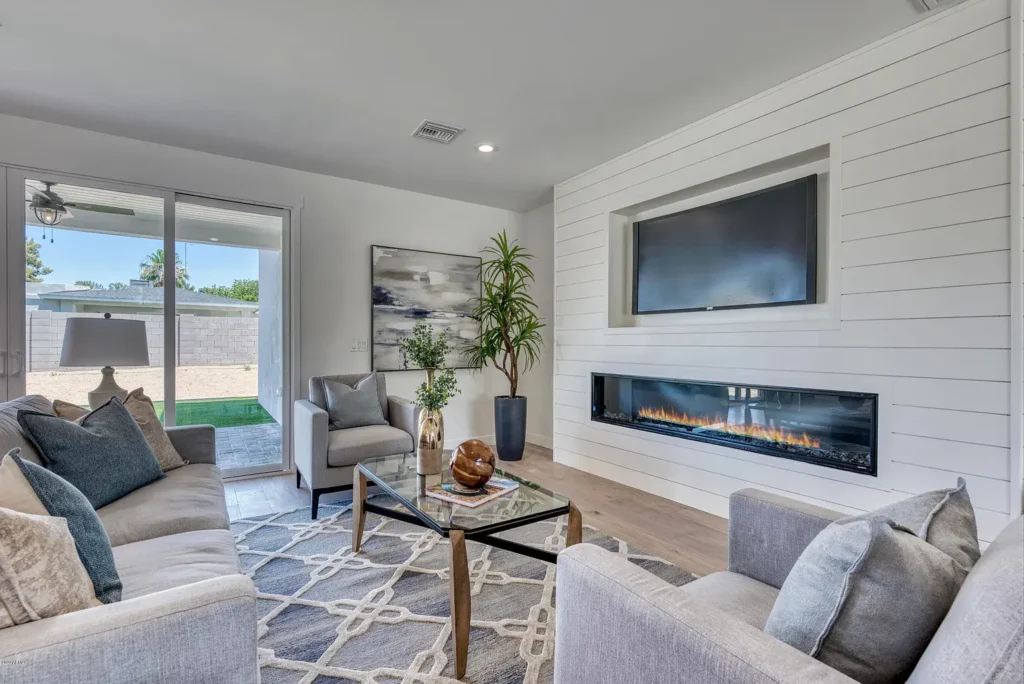
For many homeowners, the idea of building a custom home can be both exciting and intimidating. The promise of designing a home from the ground up is appealing, but questions about cost, time, and complexity often follow quickly behind. So the natural question becomes: is building a custom home worth it?
The answer depends less on a simple yes or no, and more on your priorities, expectations, and long-term goals. Understanding the advantages and trade-offs helps you decide whether a custom home aligns with how you want to live — not just today, but years down the road.
What “Worth It” Really Means in Homebuilding
When people ask if building a custom home is worth it, they’re often thinking about more than money. Value can mean different things depending on the homeowner. For some, it’s about long-term comfort and functionality. For others, it’s about control, personalization, or avoiding costly renovations later.
In Arizona especially, where climate, land conditions, and lifestyle play a major role in home design, the definition of value often includes how well a home performs over time — from energy efficiency to indoor–outdoor living.
The Pros of Building a Custom Home
One of the most significant benefits of building a custom home is personalization. Rather than adapting to an existing layout, homeowners design spaces around how they actually live. This might include open gathering areas, dedicated home offices, multigenerational layouts, or seamless outdoor connections suited to Arizona’s climate.
Custom homes also allow for intentional decision-making. Materials, systems, and layouts can be selected with durability and long-term use in mind. This often leads to homes that age more gracefully and require fewer major changes over time.
Another advantage of custom homes is that they are typically designed for a specific piece of land, allowing the home to work with the lot’s orientation, views, and conditions. In Arizona, this can mean better solar control, improved energy efficiency, and outdoor spaces designed for year-round use.
Finally, many homeowners value the collaborative experience itself. Being involved in the planning process can create a stronger sense of connection to the finished home and confidence in the decisions behind it.
The Cons to Consider — and How the Right Team Makes the Difference
Building a custom home does come with considerations that are important to understand upfront. One of the most common is time. Custom homes typically take longer to design and build than production or spec homes, particularly during the planning and permitting stages. This extended timeline allows for thoughtful decision-making.
Another factor is the number of decisions involved. From layout and materials to systems and finishes, custom homes require more input from the homeowner. For some, this level of involvement is exciting. For others, it can feel overwhelming without proper guidance.
Cost variability is also part of the custom home process. Because each home is designed specifically for the homeowner and the site, pricing depends on design choices, materials, and land conditions. While this flexibility allows homeowners to prioritize what matters most, it also makes clear communication and planning essential.
This is where working with the right builder becomes critical. At Erwin Jaye, our role is to guide clients through every step of the process — explaining options clearly, helping prioritize decisions, and maintaining transparency from early planning through final completion. With the right team providing structure and support, the challenges of building a custom home become manageable, informed decisions rather than obstacles.
Long-Term Value Beyond the Price Tag
The long-term value of a custom home isn’t measured only in resale price. It’s also reflected in how the home functions, how comfortable it feels, and how well it supports daily life.
Homes designed intentionally often perform better over time. Thoughtful layouts reduce wasted space, durable materials equal lower maintenance demands, and modern systems improve efficiency. In Arizona, where energy use and climate responsiveness matter, these factors can have a meaningful impact over the life of the home.
There’s also emotional value to consider. Many homeowners describe a deeper sense of satisfaction living in a home that was designed specifically for them. That sense of ownership and connection can’t always be quantified, but it’s a major reason people choose the custom path.
When Building a Custom Home Makes Sense
Building a custom home is often worth it for homeowners who plan to stay long-term, value personalization, and want a home that reflects their lifestyle. It’s also a strong option for those building on unique land or seeking specific design solutions that aren’t readily available in existing homes.
Final Thoughts
So, is building a custom home worth it? For many homeowners, the answer is yes — when the process aligns with their goals, timeline, and expectations. Custom homes offer personalization, flexibility, and long-term value, but they also require patience, planning, and the right team.
Building a custom home is a big decision, and it’s worth taking the time to explore whether it truly aligns with your goals. At Erwin Jaye Homes, we believe the best projects start with honest conversations and clear expectations. If you’re weighing your options and want thoughtful guidance — not pressure — we’d be happy to talk through what building custom could look like for you.