What Is Considered a Custom Home? Definitions Most Builders Don’t Explain
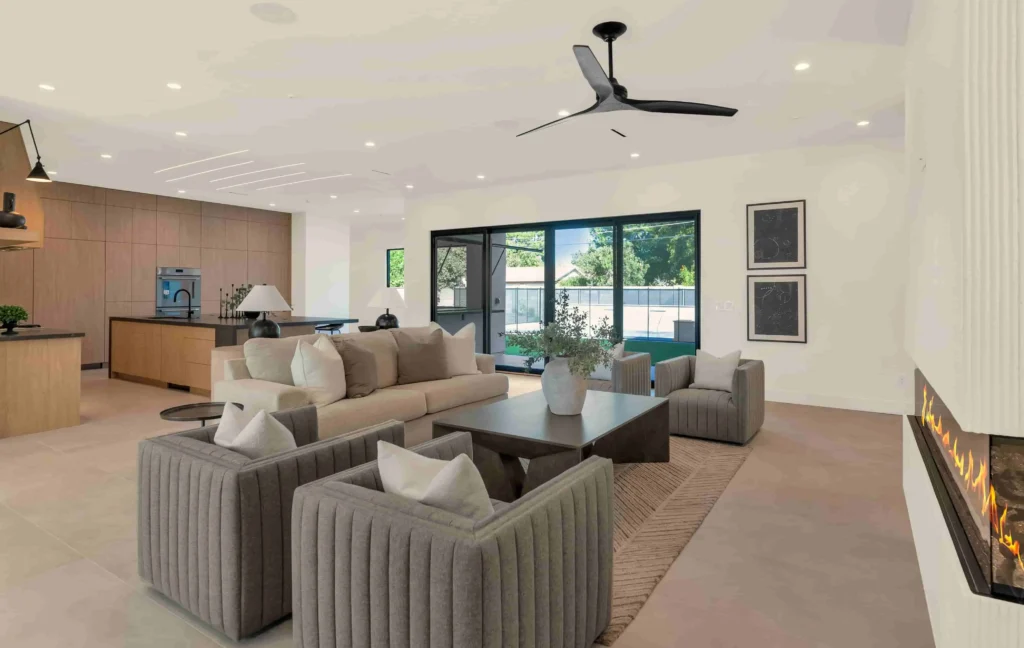
The term custom home is used often in real estate and construction, but it’s rarely defined clearly. Many builders use the label, yet the experience, level of personalization, and process can vary widely. For homeowners trying to decide whether a custom home is the right path, that lack of clarity can make early planning confusing.
So what is considered a custom home, really? The answer goes beyond square footage, finishes, or price point. A true custom home is defined by how it’s planned, who it’s built for, and how much control the homeowner has throughout the process.
A Simple Definition of a Custom Home
At its core, a custom home is a residence designed and built specifically for one homeowner, on a specific piece of land, with a high degree of personalization. Rather than selecting from a predetermined set of floor plans or packages, the homeowner participates in shaping the layout, materials, and details of the home from the beginning.
That doesn’t mean every element must be invented from scratch. Some custom homes start with inspiration from existing designs or past projects. What makes the home “custom” is not originality for its own sake, but intentional design choices made to suit the homeowner’s lifestyle, preferences, and long-term goals.
Custom Doesn’t Mean Unlimited — and That’s Okay
One of the most common misconceptions is that a custom home means unlimited choices and complete freedom at every turn. In reality, thoughtful boundaries are part of a successful custom build.
Budgets, zoning requirements, site conditions, and building codes all shape what’s possible. A skilled custom builder helps homeowners navigate those constraints, offering guidance and alternatives rather than simply saying yes or no. The result is a home that feels personal and well-considered, not overwhelming.
Customization is about meaningful choice, not endless choice.
How Custom Homes Differ From Other New Builds
Custom homes are sometimes confused with speculative or production homes. While these categories can overlap, the differences usually come down to timing and design control.
In a custom home, the homeowner is involved early — often before design begins. Decisions about layout, flow, and structure happen before construction starts. By contrast, semi-custom or production homes typically begin with pre-approved plans, where changes are limited to finishes or minor layout adjustments.
This early involvement is what allows custom homes to better reflect how people actually live, rather than asking them to adapt to a predetermined design.
The Role of the Builder in a Custom Home
Another defining characteristic of a custom home is the builder’s role. In a true custom project, the builder is not just executing a plan — they are collaborating, advising, and problem-solving alongside the homeowner.
Custom builders often work closely with architects, designers, engineers, and of course the future homeowners. This allows for early input on cost, constructability, and scheduling, which helps align expectations and reduce surprises later in the process.
Just as importantly, a custom builder takes the time to understand the homeowner’s priorities. That understanding shapes decisions throughout the build, from structural planning to finish selections.
Custom Homes and the Land They’re Built On
Most custom homes are built on individually owned land rather than within large subdivisions. That land plays a significant role in defining the home itself.
Slope, orientation, views, utilities, and local regulations all influence design decisions. A custom home responds to its site, rather than forcing a standard plan to fit. This might mean orienting living spaces toward natural light, designing around mature trees, or engineering foundations for challenging terrain.
The relationship between the home and the land is one of the clearest markers of a truly custom project.
Is a Custom Home Always High-End?
Custom homes are often associated with luxury, but customization is not solely about high-end finishes or size. A custom home can be modest in scale while still being deeply personal and thoughtfully designed.
What matters more than price point is intentionality. Custom homes prioritize function, flow, and long-term usability. Whether that means investing in energy efficiency, flexible spaces, or durable materials depends on the homeowner’s goals.
Luxury may be part of the equation, but it isn’t the definition.
So, What Should You Look For?
Rather than focusing on labels, it’s helpful to look at the process. A home is more likely to be truly custom if the homeowner is involved before design is finalized, if the builder offers guidance rather than preset packages, and if the project responds to the site and lifestyle of the people living there.
Custom homes are defined less by marketing terms and more by collaboration, clarity, and care.
Final Thoughts
What is considered a custom home isn’t always obvious at first glance. A true custom home is shaped by intention — intentional planning, intentional collaboration, and intentional decision-making throughout the process.
Understanding what truly defines a custom home can make all the difference in choosing the right path — and the right team. If you’re looking for clarity around the process, the level of customization, and what to expect from start to finish, book a consultation with Erwin Jaye Homes. We’d love to answer your questions and help you determine whether a custom home is the right fit for you.